Author:
Veloce
Where Your Home Begins: A Builder’s Guide to Selecting the Perfect Lot
Selecting a building lot is one of the most important decisions in the custom home process and carries more nuance than many expect. It is easy to focus on the appeal of a location, the size of the parcel, or the street it sits on. However, long before architectural drawings begin, the lot itself establishes the framework for what is achievable.
In established communities such as Ancaster, Dundas, Burlington, Hamilton, and Oakville, desirable lots often involve multiple layers of regulation, context, and site-specific considerations. Understanding these factors early allows for more informed design decisions, clearer budgeting, and a smoother path through approvals and construction.
The following are key considerations typically reviewed with clients when assessing a potential building lot.

Why the Lot Matters More Than You Think
A building lot is not simply a setting for a home. It directly shapes how the home is designed, approved, and ultimately constructed. Zoning regulations, setbacks, grading conditions, servicing, and environmental requirements all influence the project well before architectural drawings begin.
In practice, two lots with similar purchase prices can result in very different outcomes. One may allow for a straightforward build with minimal approvals, while another may require variances, additional engineering, or design adjustments. These differences are not always immediately visible, yet they can meaningfully affect timeline, design flexibility, and overall cost.
Approaching lot selection with the same level of diligence as the home itself establishes a strong foundation for the entire project.
Location Is More Than the Address
Location matters, but not only in the conventional sense.
Beyond proximity to schools, amenities, or commute routes, it is important to understand the broader planning context of a neighbourhood. In mature areas such as Ancaster Village or Old Dundas, established lot patterns, tree protection policies, and heritage considerations often influence both design and approvals. In parts of Oakville or Burlington, evolving intensification policies can affect setbacks, massing, or future conditions on adjacent properties.
Key questions to consider include:
- What is the municipal planning direction for this area?
- How do surrounding lot sizes and building envelopes compare?
- Are there anticipated long-term developments or infrastructure projects nearby?
A thoughtfully chosen location supports not only how a home functions today but also how it integrates with its surroundings over time.

Zoning, Official Plans, and What You Are Allowed to Build
Zoning bylaws and official plans define the baseline rules for a lot, including permitted uses, maximum height, density, and architectural guidelines.
In Hamilton, Burlington, and Oakville, zoning can vary considerably from one street to the next, even within the same neighbourhood. Existing homes may have been built under older bylaws or granted variances, making them unreliable reference points.
Before committing to a lot, it is essential to confirm:
- The current zoning designation for the property
- Any applicable overlays or secondary plans that may affect development
- Whether the intended build aligns with as-of-right permissions under current bylaws
Clarifying these parameters early helps prevent redesigns or delays during approvals.
Understanding Setbacks, Coverage, and Buildable Area
While zoning establishes what is permitted in principle, setbacks and lot coverage define what is possible in practice.
Setbacks determine how close a structure can be to property lines, while lot coverage limits the proportion of the site that may be developed. Together, these controls establish the buildable envelope—the realistic footprint within which a home must be designed.
This consideration is particularly relevant for:
- Narrow urban lots with limited frontage or depth
- Corner properties that may have unique setback requirements
- Lots subject to easements or environmental buffers that constrain development
Evaluating this early ensures that design decisions are grounded in reality rather than assumption.

Lot Size, Shape, and Topography
The physical characteristics of a lot play a critical role in both design and construction.
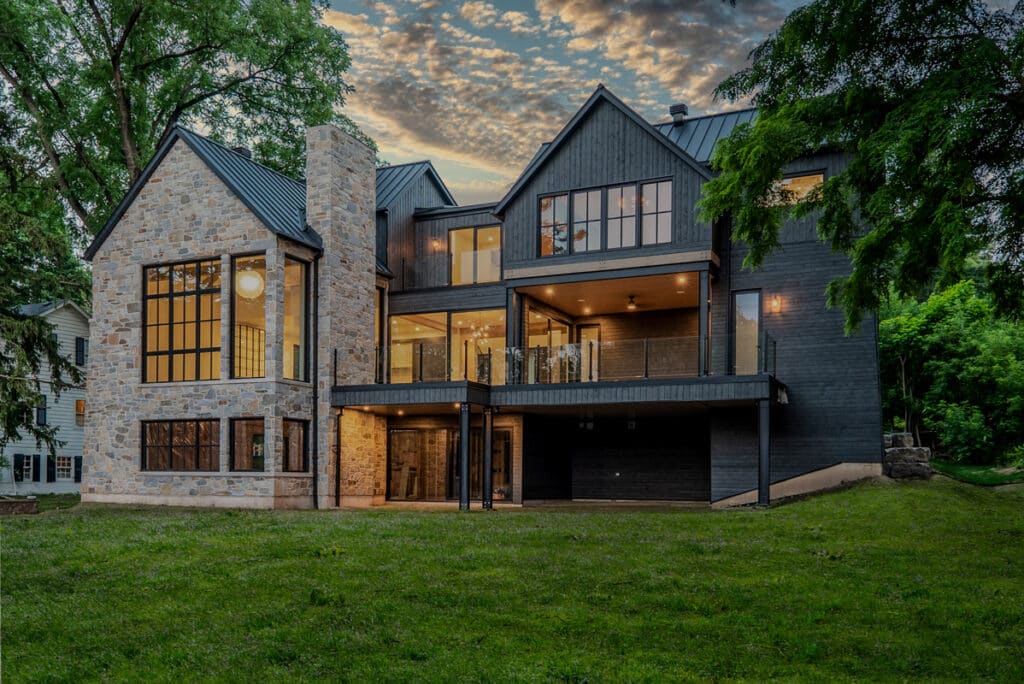
While flat, rectangular lots offer flexibility, sloped or irregular parcels—common in parts of Dundas, Ancaster, and escarpment-adjacent areas—can provide unique opportunities for site-specific architecture.
Changes in grade can support walkout levels, layered floor plans, and stronger connections between indoor and outdoor spaces. Irregular lot shapes encourage creative massing and homes that feel intentionally designed rather than simply placed on a site.
These conditions require careful planning, particularly regarding foundations and drainage. When approached thoughtfully, topography becomes a design asset, resulting in homes that are distinctive, well integrated, and closely connected to their surroundings.
Services, Utilities, and What is Below the Surface
Servicing is one of the most frequently overlooked aspects of lot selection, yet it can significantly affect both cost and schedule.
Fully serviced municipal lots generally offer greater predictability. Private services, such as septic systems or wells, introduce additional approvals, testing, and long-term considerations.
Even on serviced lots, it is important to confirm:
- Whether any existing services can be utilized for the new build
- The locations and capacities of connections to municipal services
- Requirements for stormwater management and drainage
Understanding the lot’s servicing in advance helps avoid surprises, ensures realistic budgeting, and facilitates a smoother design and construction process.

Conservation Authorities, Easements, and Environmental Constraints
Many sought-after lots back onto ravines, watercourses, or green space. These features contribute to a site’s character but may introduce additional oversight.
Conservation authority regulations, floodplain mapping, and easements can restrict building locations, limit grading, or require additional studies. While these constraints do not necessarily prevent development, they can influence timelines and design flexibility.
Identifying these factors before purchase allows for informed decisions rather than reactive adjustments.
Budget Implications: Why the Lot Influences Total Build Cost
A lot’s impact on budget extends far beyond the purchase price.
Factors that can significantly affect overall project cost include:
- Soil conditions and foundation requirements specific to the lot
- Grading complexity and the need for retaining walls or other site structures
- Scope and timeline of required servicing connections and municipal approvals
Early evaluation enables more accurate budgeting and reduces the potential for unexpected costs.
When to Involve Your Builder and Why Timing Matters
Engaging a builder early, ideally before finalizing a lot purchase, provides valuable clarity.
In markets such as Ancaster, Dundas, and Oakville, where lots are frequently constrained by regulatory or contextual factors, a preliminary feasibility review can identify potential challenges and opportunities before they become commitments.
This insight helps align expectations regarding design, approvals, budget, and schedule.
Final Thoughts: A Good Lot Supports a Good Build
A thoughtfully selected lot does more than accommodate a home; it underpins a structured and intentional process from planning through construction.
By understanding the regulatory, physical, and financial realities of a site early, homeowners create the conditions for a smoother build and a more considered outcome.
At Veloce Homes, we view lot selection as the foundation of every project. With careful due diligence and expert guidance, it becomes an opportunity to set the home and project up for long-term success.